Understanding Audi Key Technology: More Than Just Metal
Modern Audi vehicles use several distinct key technologies, and knowing which one your car requires is essential to getting a proper replacement. Older Audi models — generally pre-2000 — used traditional cut metal keys with no electronic component. Starting in the late 1990s, Audi began integrating transponder chips into their keys. These chips communicate with the vehicle's immobilizer system; if the chip is absent, damaged, or unprogrammed, the engine will crank but refuse to start. Transponder keys must be both cut to the correct blade profile and programmed to match your car's immobilizer — two separate technical steps that require professional equipment.
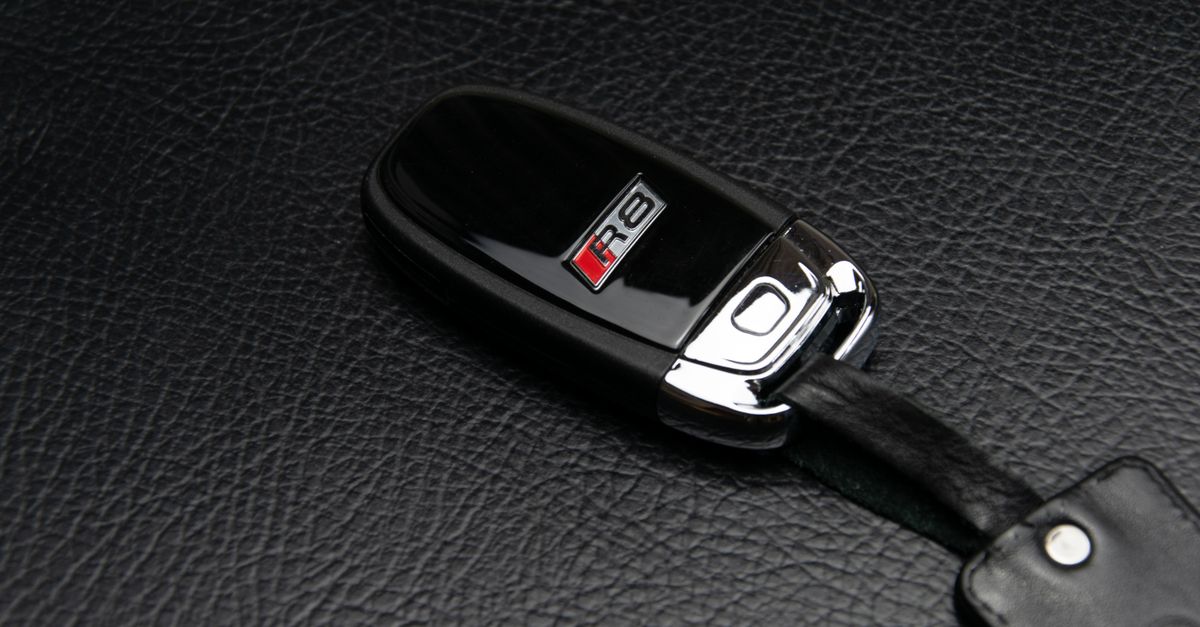
More recent Audi models use key fobs with remote functions (lock, unlock, trunk release, panic) in addition to transponder chips, while the newest generations feature Audi's Advanced Key — a proximity-based smart key that allows keyless entry and push-button start. Some current models also support a digital key function through a smartphone. Each generation requires different cutting specifications and programming protocols. Our technicians are trained across this full range of Audi key types, from basic transponder blades to the latest proximity fobs, so you get an accurate, functional replacement regardless of your model year.